If your 2026 Italy plan is a slow-travel road trip, the usual tourist circuit won’t satisfy the bucket-list itch. You want scenic backroads, unhurried borghi, and a route that feels like an adventure rather than a checklist. The 2026 Winter Olympics in Milan and Cortina d’Ampezzo give you a rare geographic anchor, but the full list of new slow-travel routes is still being pieced together. Here is how to build a 2026 Italy road trip around verifiable facts, meaningful detours, and one practical car-cost check.
Drive the Milan-Cortina Olympic corridor
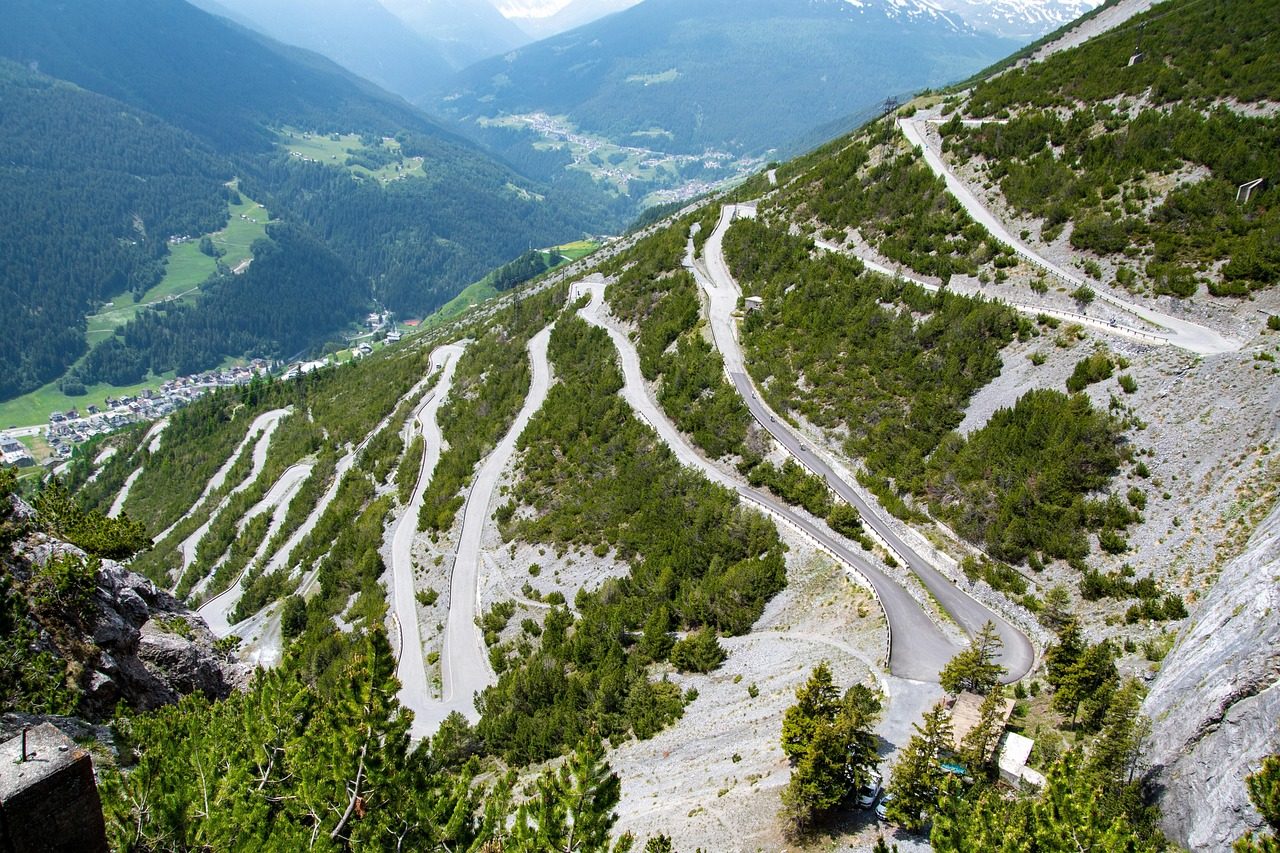
According to the 2026 year overview on Wikipedia, the 2026 Winter Olympics were the first Olympic Games to be officially co-hosted by two cities: Milan and Cortina d’Ampezzo, Italy. That pairing gives you a clear slow-travel band between Lombardy and the Dolomites. Instead of flying between the two hosts, make the road between them the experience. Use the two cities as endpoints and look for secondary roads that climb through lake districts, mountain valleys and small provincial towns. The public record does not yet name a single official marked itinerary, so you will need to stitch together provincial routes yourself. That research is part of the bucket-list reward: you are not following a prescribed loop, you are mapping your own.
Plan this drive for a non-Games period if you want the backroads to yourself. The Games themselves will bring traffic and security changes, though the public material reviewed does not give specific dates. The co-hosting fact is enough to put the Milan-Cortina corridor on your list, but the real discovery happens on the roads between them.
Hunt for lesser-known borghi by backroad
Italy’s borghi are the quiet heart of slow travel, and the best ones rarely appear on a single official list. The 2026 public record does not yet publish named itineraries, so treat each region as a treasure hunt. Start with the provinces around the Olympic corridor, then branch out to areas you have always wanted to see. Contact regional tourism boards and local proloco offices directly; they often issue PDF route guides under headings like itinerari slow, but many are only available in Italian. Ask for the current borghi map and which secondary roads are being promoted as scenic alternatives. This approach turns route-planning into a personal discovery list, which is exactly what a bucket list should be.
Time your trip around the 2026 calendar
The 2026 calendar is a non-leap year with 365 days, and it begins on a Thursday. That matters when you are counting long weekends and shoulder-season windows for a slow-travel route. A Thursday start means the first and last days of the year fall on the same weekday, which helps you calculate how many weekends fall in each month at a glance. The public calendar does not list Italian regional holidays, so you will still need local saint-day and bridge-holiday tables once you choose a region. The goal is to arrive in a small borgo when shops and cafés are open, not when the village is closed for a local festa. Use the 365-day frame as your planning arithmetic, then layer on regional knowledge.
Budget the slow-travel road trip like a local
If you register or keep a car in Italy, the annual vehicle tax known as bollo auto is a fixed cost you should estimate before booking any long-stay road trip. The Italian-language Calcolo Bollo Auto tool calculates the amount in about 30 seconds using updated 2026 regional rates, vehicle power, fuel type, emission class and months of payment. Because the bollo auto varies by region and by a vehicle’s environmental class, the estimator also lets you compare what the same car would cost if registered in a different province. That comparison is especially useful if you are deciding where to keep a car for repeated slow-travel loops across Italy.
Keep the route open and your budget set
Your 2026 Italy bucket list does not have to wait for a single official itinerary. Start with the Milan-Cortina Olympic anchor, build a personal borghi-hunting list through regional sources, time your days with the 365-day calendar, and lock in the bollo auto estimate before you commit. The slow-travel routes are out there, but the most meaningful ones are the ones you assemble yourself. Put the Milan-Cortina corridor and the hidden backroads on your list, and let the road teach you the rest.