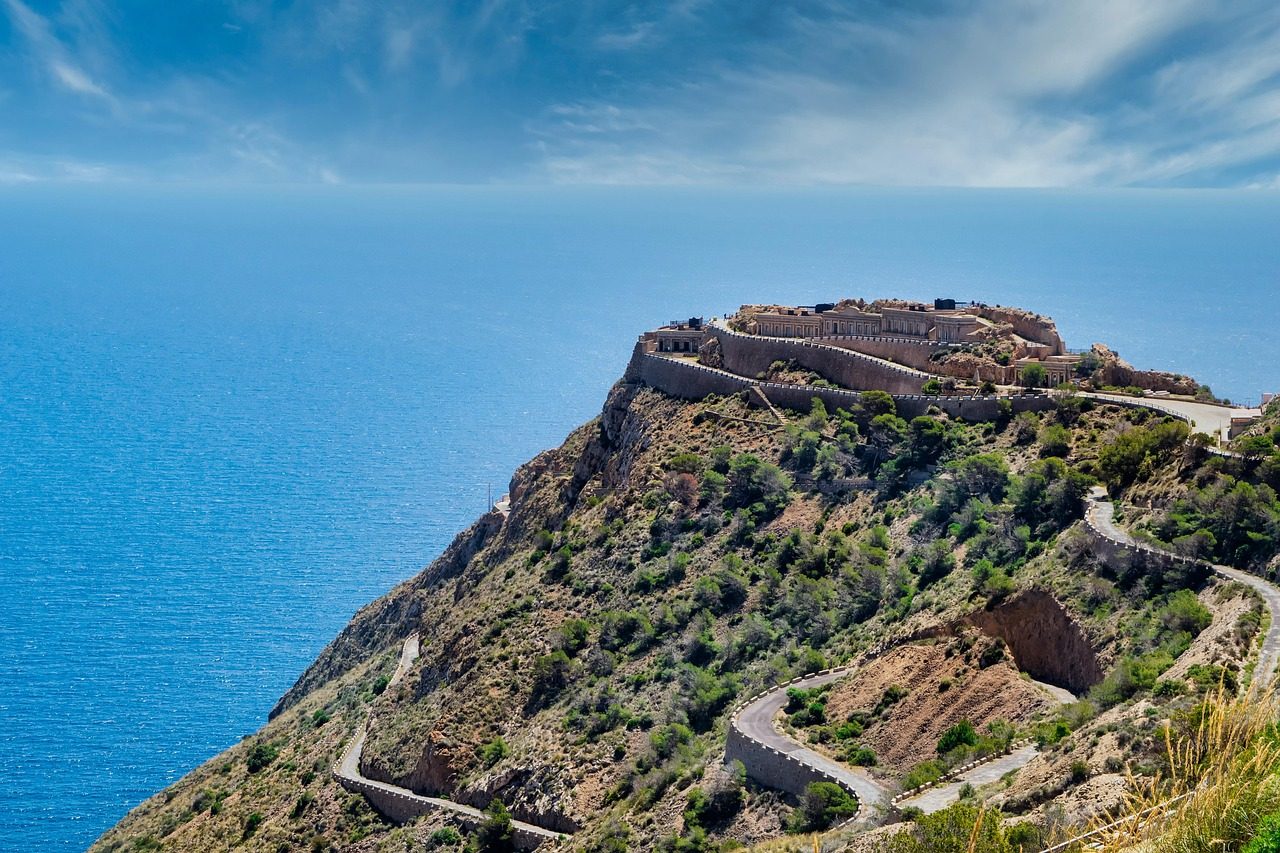
A 2026 road trip along the Amalfi Coast belongs on many bucket lists, especially for U.S. expats who already live in Italy and want to explore the shoreline south of Naples. The drive is as much a challenge as a reward: narrow cliff roads, hairpin turns, and a string of coastal towns that sit between the mountains and the Tyrrhenian Sea. Before you point the car toward Positano or Amalfi, it pays to understand how Italian car ownership costs—especially the regional bollo auto—will shape your budget.
Why the Amalfi Coast Is Worth the Drive
U.S. News ranks the Amalfi Coast fourth among its 20 best places to visit in Italy and describes the route as having heart-stopping, hairpin turns on narrow roads, which many travelers consider part of the fun. The region covers more than 30 miles of coastline and is home to 13 colorful seaside towns; Positano and Amalfi are two of the best known. World Atlas adds that the coast south of Naples features steep cliffs plunging into the sea and villages clinging to slopes, which explains both the beauty and the need for careful driving.
Driving Basics for U.S. Expats
Italy drives on the right, a useful fact to confirm before you leave a rental office or your home garage. The Amalfi Coast road is not a fast highway; it demands low speeds, good mirrors, and patience in hairpin sections. If you are keeping a car registered in Italy, check that your documents, insurance card, and any regional access paperwork are current. For drivers unfamiliar with Italian road signs, a focused review of local parking and restricted zone signage before departure can prevent a fine later.
The Regional Bollo Auto and Why It Matters
Car ownership in Italy includes a regional vehicle tax called bollo auto, and the amount is not uniform across the country; it depends on the region of residence and the vehicle’s characteristics. For a U.S. expat planning to keep a car for a coastal trip or longer, that recurring cost should be part of the route budget. The Italian-language tool Calcolo Bollo Auto provides a free calculation updated to 2026 regional tariffs, with fields for region, registration year, fuel type, engine power, and payment months. Entering those details gives you a starting number rather than a guess when you compare the cost of owning versus renting for the trip.
Budgeting the Rest: Insurance, Parking, and Fuel
Insurance is a fixed cost you should confirm with your provider, especially if your policy has limited coverage on narrow or seasonal routes. Parking in the cliff villages is limited by geography, so verify whether your lodging includes a space and what public lots charge before you arrive. Fuel costs vary, but the road’s stop-and-go hairpins can reduce efficiency compared with a motorway trip. Build a weekly estimate that adds your bollo auto share, insurance, parking, and fuel, and keep a buffer for the unexpected.
Timing Your 2026 Amalfi Drive
Seasonality and crowds are part of any ranking, and U.S. News notes that it considered those factors when selecting top Italian destinations. The research does not provide specific monthly visitor figures, so rather than relying on a single quiet-season claim, check official tourism information for the Amalfi Coast and plan midweek drives when possible. Early morning departures and shoulder-season travel are practical ways to experience the coast with fewer unknowns, but local conditions can change.
Practical Conclusion
Before adding the Amalfi Coast to your 2026 list, treat the drive as two plans: the scenic route and the ownership math. Confirm which Italian region your vehicle is registered in, run your details through a current bollo auto calculator, and then set aside a realistic amount for insurance, parking, and fuel. That way the hairpin turns and sea views can be the focus, not a surprise fee at the end of the month.